
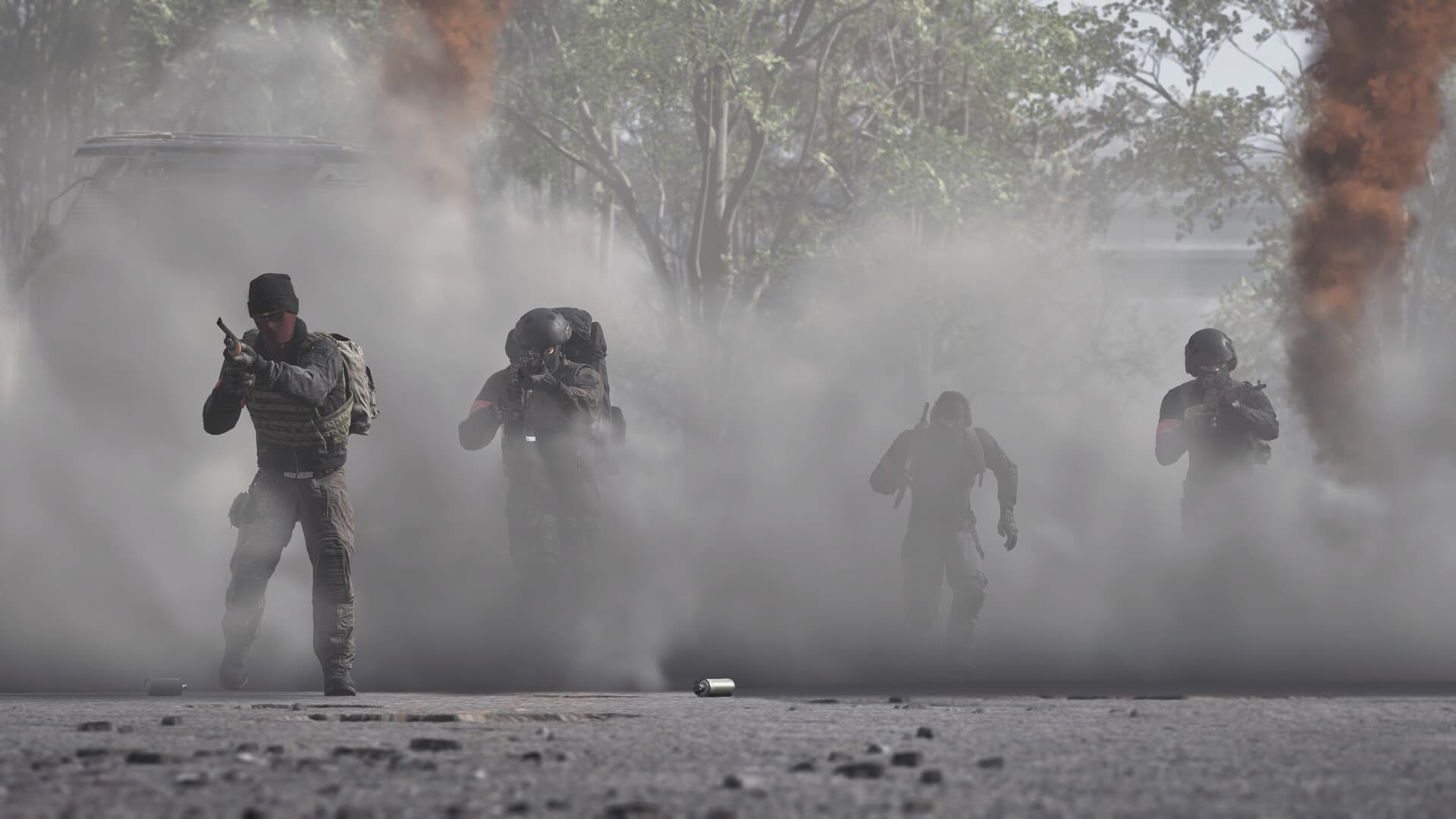
Start with a kit you can afford to replace, move with a squad, and contribute to the Control Zone through pressure, revives, transport or logistics. Carry only what supports that job, then use the re-buy option only after checking whether the last route still makes sense.
Understand the match before buying
WARDOGS is a three-team combined-arms fight built around an active Control Zone. The team with the strongest presence earns progress, so the battle is not simply a race for eliminations. Read the objective, the terrain around it and your squad's missing capability before opening the armory.
Ask three questions: how will I reach the fight, what will I do when I arrive, and how will I return after a loss? A basic rifleman who travels with support and holds useful ground often contributes more than an expensive specialist operating alone.
Choose one clear battlefield job
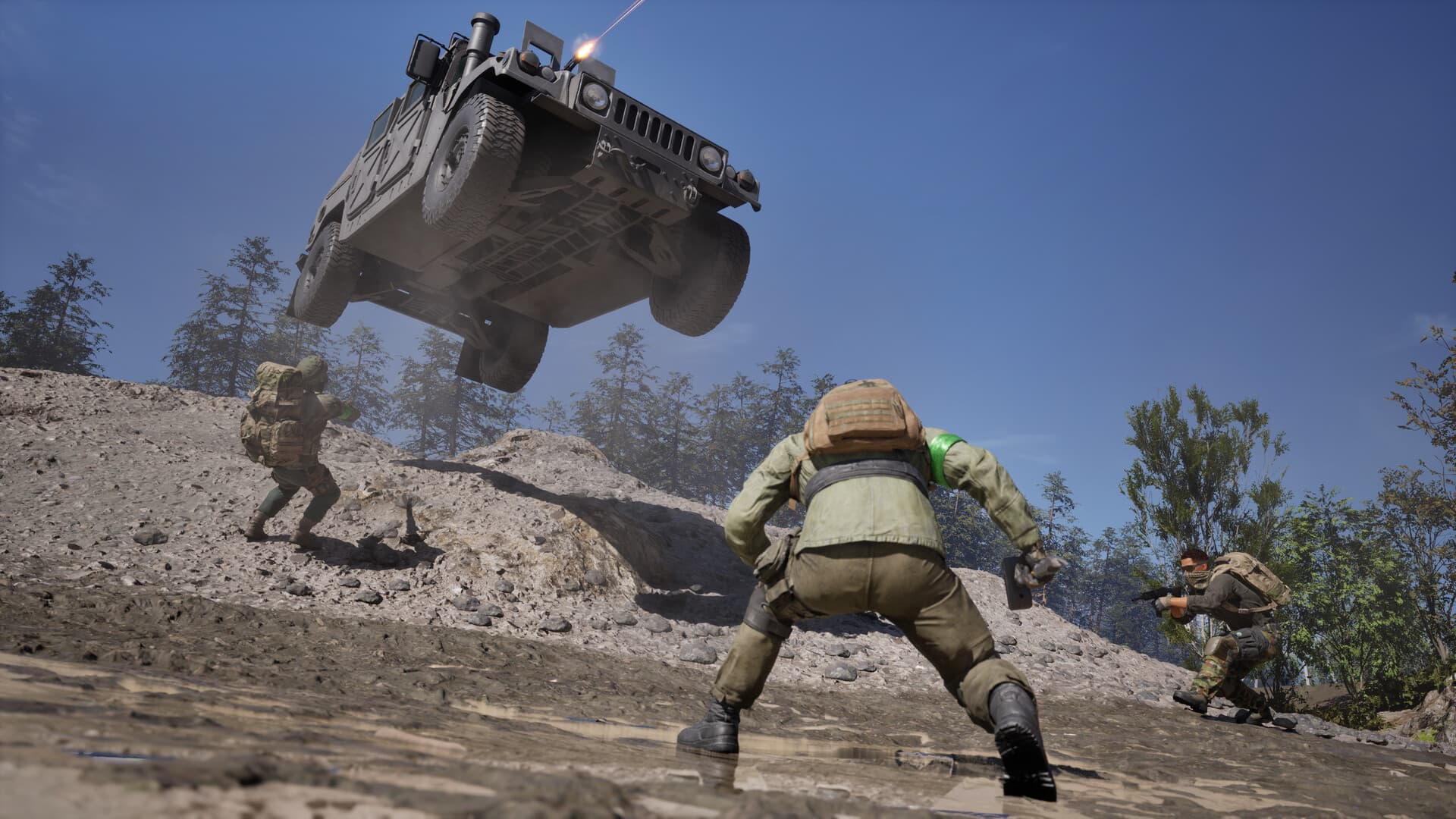
New players learn fastest when each life has one clear purpose. Infantry can screen an approach, medical players can keep a push alive, drivers can shorten reinforcement time, and logistics players can turn a temporary foothold into a position the team can sustain.
Watch the map and squad movement before changing roles. If several teammates are already flying or driving, another crew member may create less value than a medic or rifleman. Roles in WARDOGS are flexible; use that freedom to solve the current problem rather than to repeat the same purchase.
Build the first kit from the weapon outward
Pick a primary weapon for the range and task you expect, then use the Builder to see its linked ammunition and attachments. Add protection, storage, medical supplies and utility after the core weapon package is viable.
Do not fill every slot automatically. An attachment or explosive should solve a known problem, and its price should be compared with the value of another complete life. If a detail is missing, leave room in the budget instead of assuming it gives you a free advantage.
Move as part of a reinforcement chain
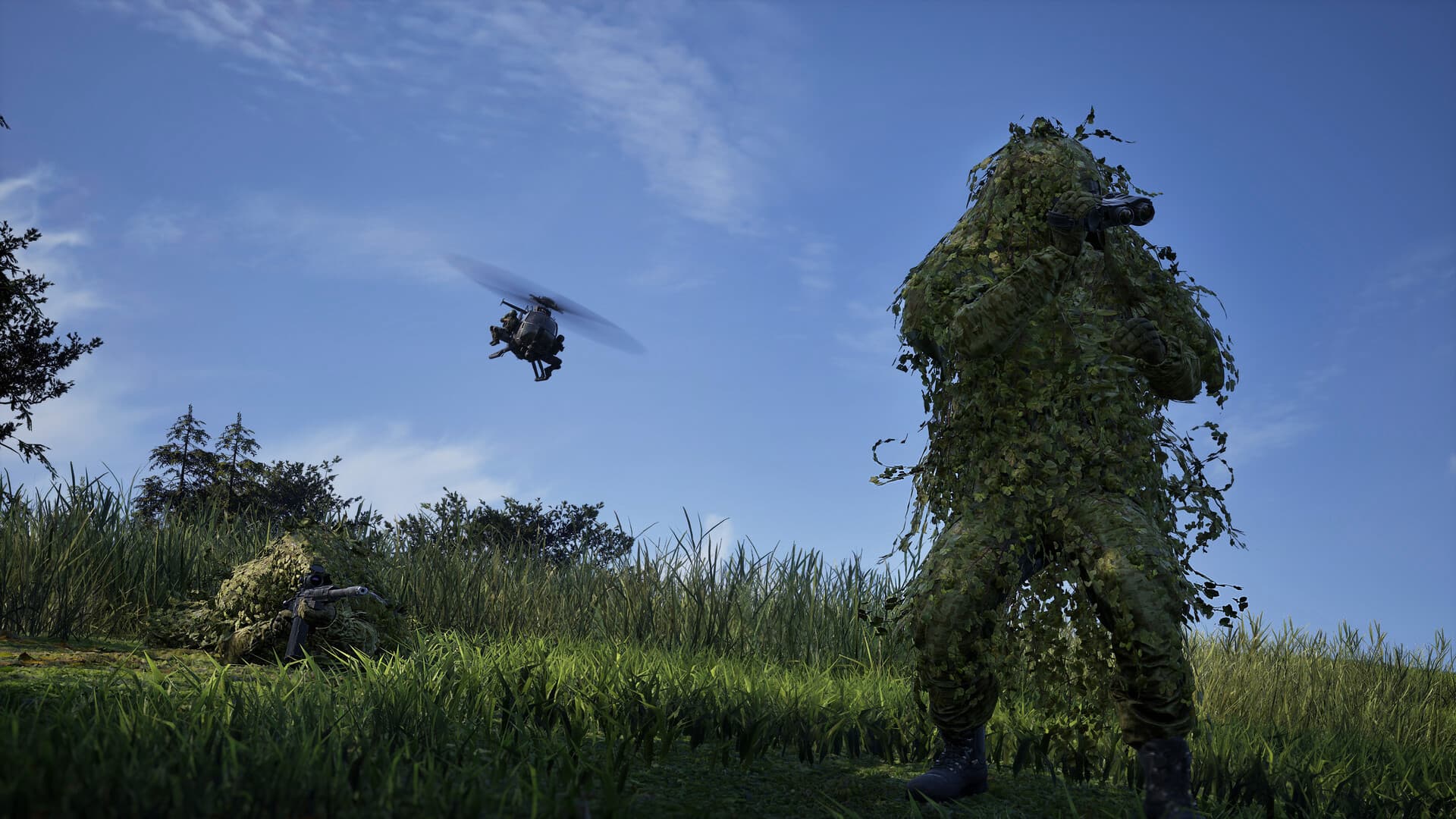
The active objective matters, but the route into it decides whether presence can be maintained. Use transport when it saves meaningful time, dismount before the vehicle is forced into a predictable kill zone, and avoid creating a single crowded approach that the enemy can repeatedly punish.
When the team gains ground, look backward as well as forward. A safe spawn route, a medic near cover, ammunition in reach and a vehicle with a planned exit can preserve more pressure than one additional player sprinting into the center.
Learn from the cost of each life
Every player begins with a cash reserve and the wallet persists, so repeated losses change future options. Track the complete cost of the life—not just the rifle—and keep a dependable fallback build that can be fielded several times without exhausting the bank.
After a death, identify whether the failure came from route choice, information, equipment or execution. Change one variable at a time. Rebuying the same expensive kit without changing the situation converts a tactical mistake into an economic one.
A simple first-session routine
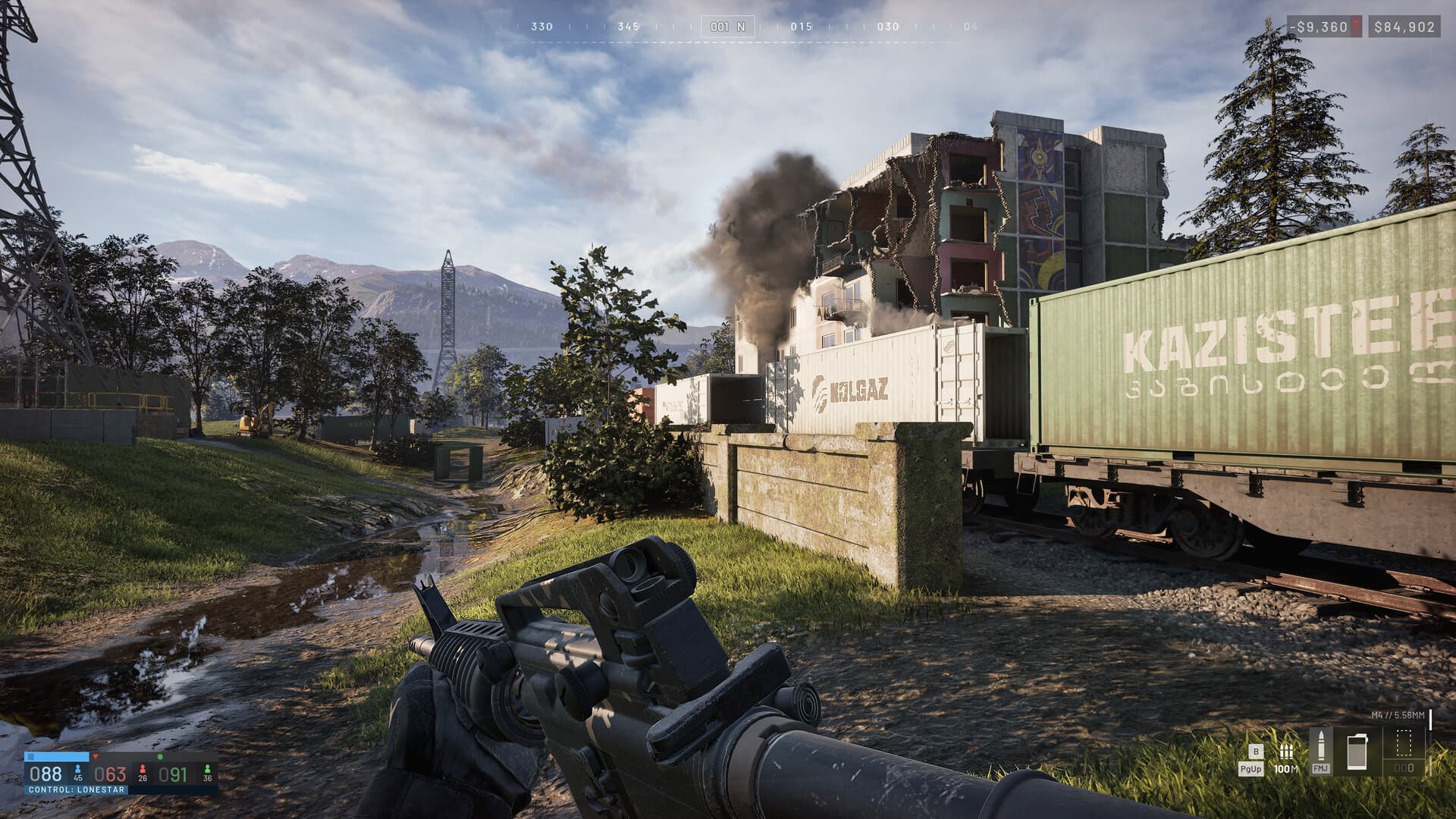
For the first few deployments, use a repeatable loop: read the objective, choose a squad need, assemble a modest kit, move with teammates, and review the result before purchasing again. This creates useful feedback without changing weapon, role and route all at once.
Keep spare magazines practical, then add loose ammunition when storage allows. Loose rounds can refill compatible magazines from the inventory, which can be cheaper and easier to carry than buying every refill as another magazine. Check the live inventory prompts before relying on the habit in a serious match.
Use the re-buy option as a shortcut, not an autopilot button. Before repeating a purchase, check whether the objective, transport route and squad job are still the same. Use the Wiki when you need an item record and the Builder when you need a compatible kit.
Check after an update
WARDOGS is in Early Access, so prices, item details and balance can move between updates. These guides focus on practical decisions; check the current game build before you commit to an expensive purchase or a system-level PC change.
Frequently asked questions
How much cash does a new WARDOGS player start with?
Players begin with $10,000. Treat it as a reserve for multiple lives, not a target to spend in one purchase.
What is the best beginner role?
There is no fixed best role. Start with a clear, observable job such as staying with infantry, reviving nearby teammates or driving a safe reinforcement route, then expand as you understand the map.
Should I buy every available attachment?
No. Equip a part only when its listed effect supports the intended engagement and the complete kit remains affordable to replace.
Why carry loose ammunition?
Loose ammunition can refill compatible magazines from the inventory. It is useful when you need sustained ammunition without filling every storage slot with spare magazines.