
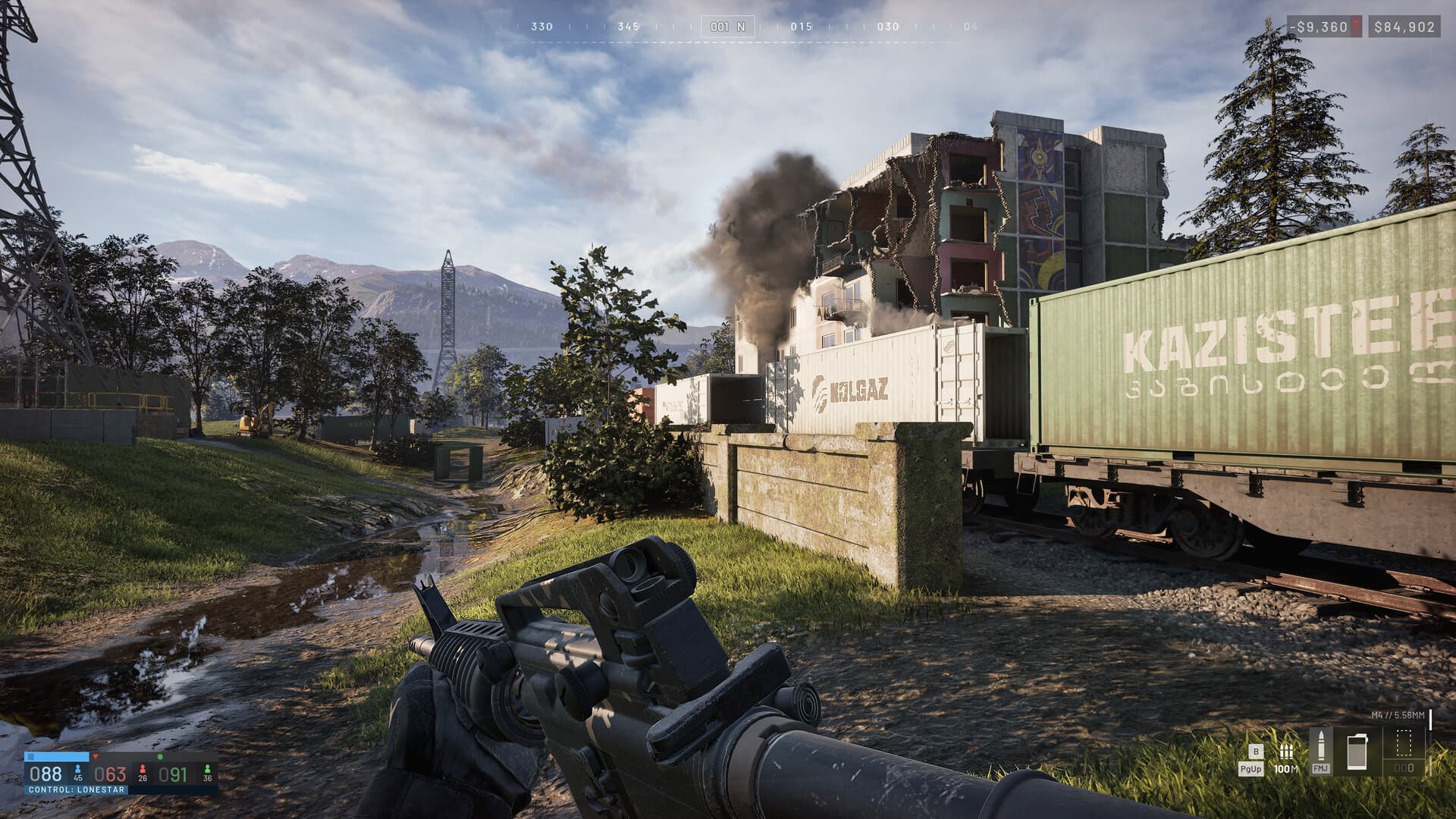
Treat cash as future battlefield access. Price the weapon, ammunition, protection, utility and transport together; protect a reserve of several dependable lives; and spend above that reserve only when the purchase has a clear team purpose and an exit plan.
Think in complete lives, not item prices
A weapon's sticker price is only the visible part of the purchase. Compatible ammunition, magazines, armor, medical items, storage, specialist utility and a vehicle can all draw from the same persistent bank. The useful number is the total amount exposed when that life is lost.
Assemble the intended kit in the Builder before spawning, then compare the total with the $10,000 starting balance. If an item has no listed price, leave extra reserve rather than assuming it is free.
Create a reserve floor
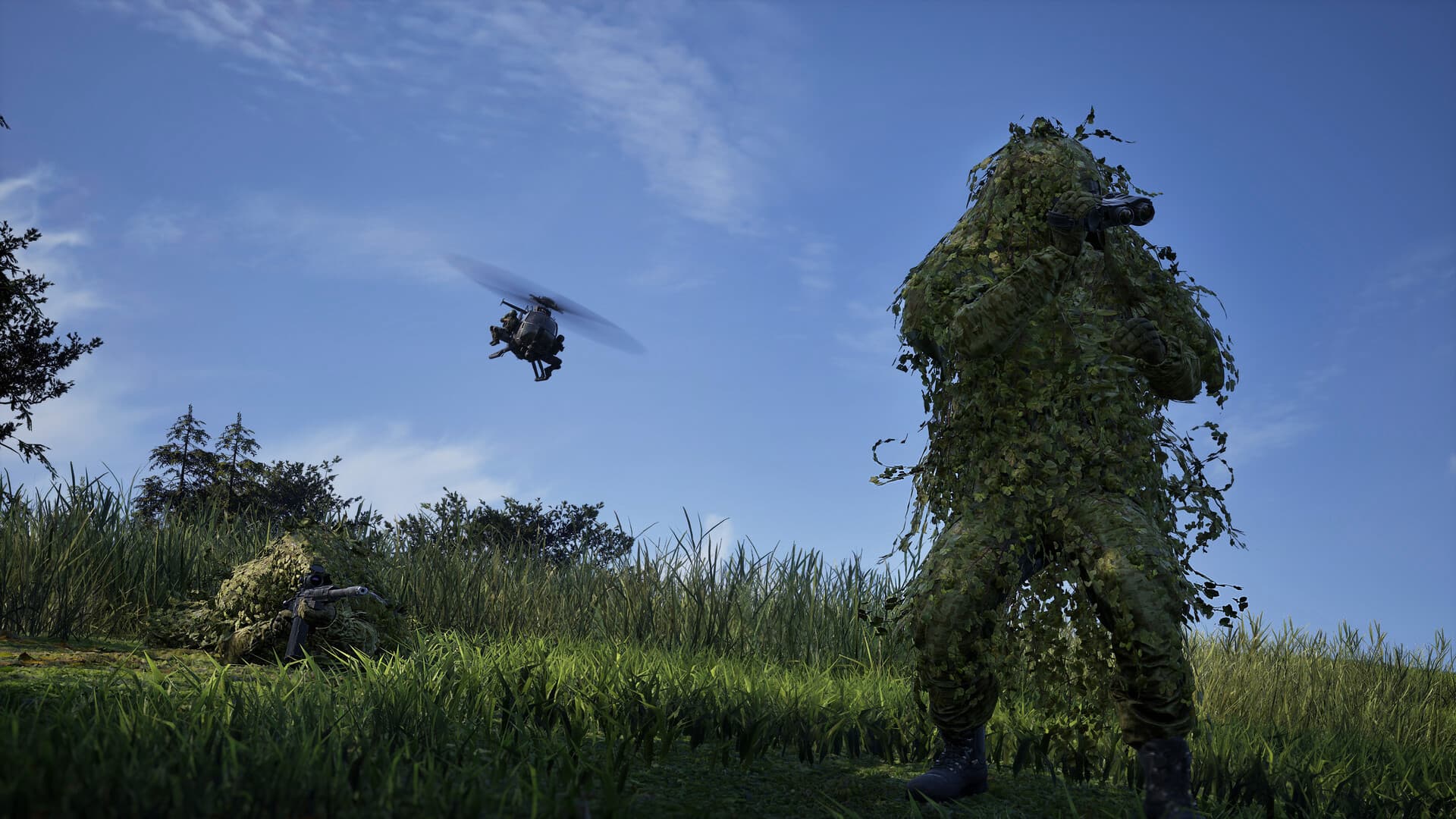
Choose a dependable fallback kit and decide how many copies you want to protect. That amount becomes a reserve floor: spending above it is available for opportunity, while spending through it reduces your ability to recover from a losing sequence.
The floor should change with the match. A stable squad with reliable transport may justify a specialist purchase; a disorganized team repeatedly losing the same route usually calls for cheaper, more flexible lives until the situation improves.
Match spending to expected value
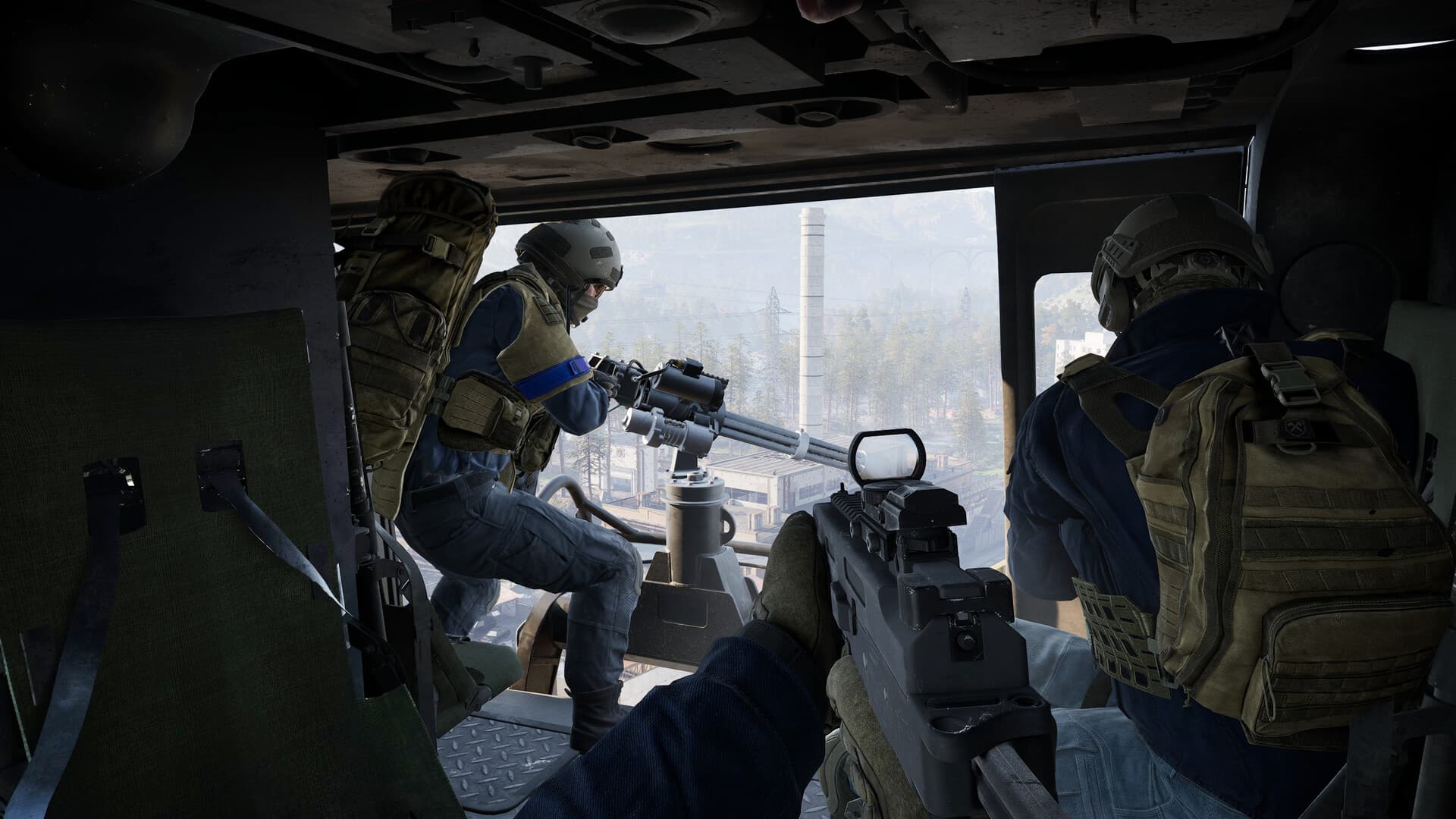
Expensive equipment is worthwhile when it multiplies team output: a transport shortens many reinforcement trips, a protected crew controls a decisive lane, or specialist tools unlock a task ordinary infantry cannot perform. Price should follow purpose, crew and route—not excitement.
Before purchasing a vehicle or premium kit, define the job, the people needed to operate it, the route to the objective, and the point at which you will disengage. If one of those is missing, the purchase is carrying avoidable risk.
Earn through repeatable team actions
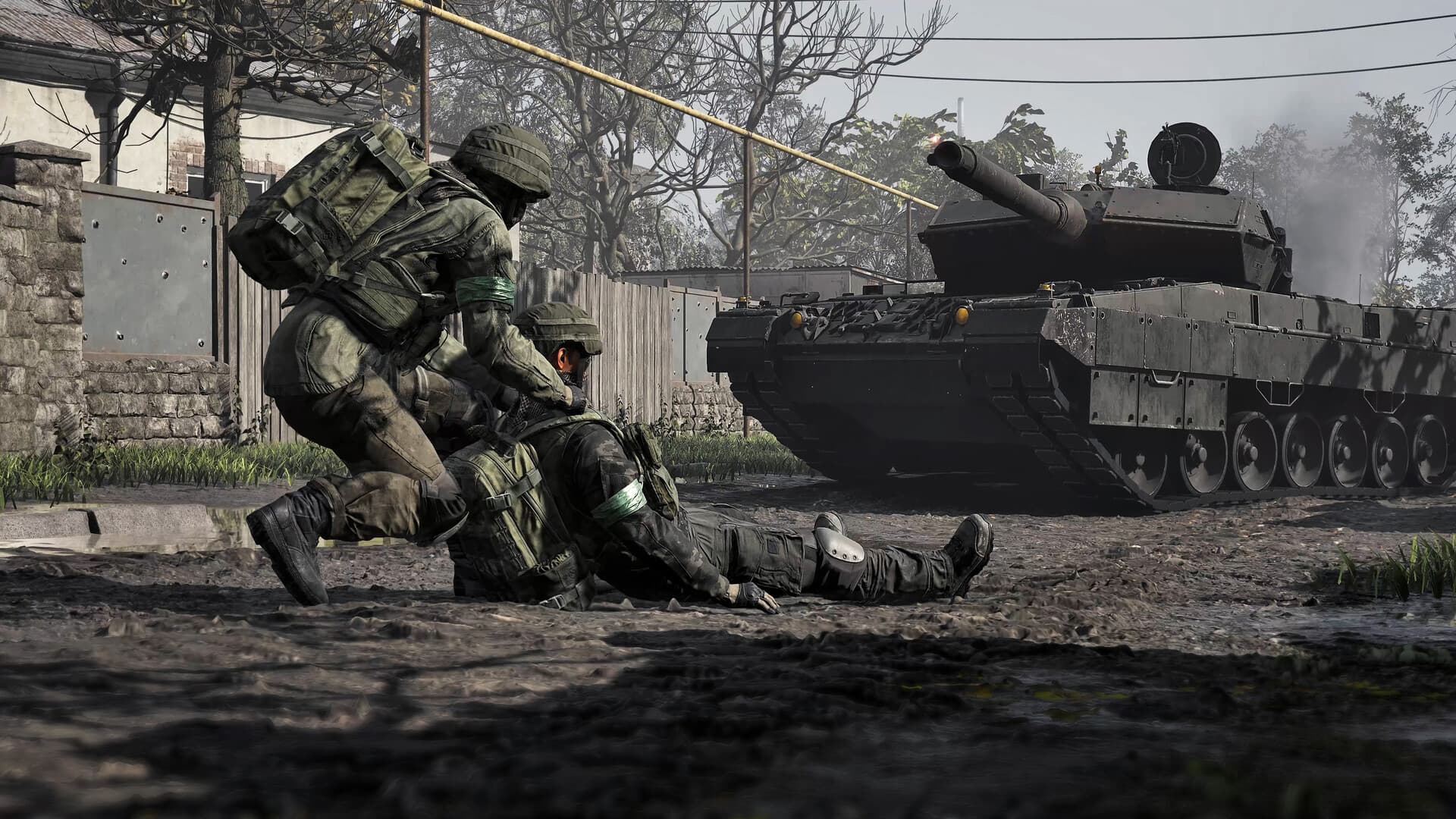
Objective presence, enemy spotting, revives, transport and logistics can all support the economy. Build a role around actions the match repeatedly needs rather than relying on one high-risk engagement to fund the next purchase.
When the battlefield changes, change the income route. A blocked transport corridor may make medical support more useful; a secured approach may create a window for supplies or construction. Economic play and tactical play are the same decision viewed over several lives.
Do not turn a single reported payout into a permanent plan. Reward values can move with an update, and a good money route only works while the team can safely use it. The durable principle is simple: choose a useful job, keep the kit replaceable and avoid paying for the same failed route twice.
Use a loss-streak protocol
After two costly losses, pause before rebuying. Reduce optional attachments, step down from a vehicle, choose a cheaper primary or switch to a support job that can contribute from safer positions. The goal is to restore useful participation without gambling the remaining reserve.
When income and team control stabilize, add capability in stages. This avoids the common cycle of buying one premium life, losing it on an unchanged route and entering the next deployment with fewer choices.
Check after an update
WARDOGS is in Early Access, so prices, item details and balance can move between updates. These guides focus on practical decisions; check the current game build before you commit to an expensive purchase or a system-level PC change.
Frequently asked questions
Does WARDOGS cash persist between matches?
Yes. Cash carries forward, which makes replacement cost and reserve planning important beyond a single round.
How much of my bank should one life cost?
There is no universal percentage. Protect several copies of a reliable fallback kit, then spend the amount above that floor when a more expensive purchase has a clear battlefield purpose.
Are missing prices counted as zero?
No. The Builder only totals items with a listed price, so an incomplete total is a minimum rather than the final bill.
Is there one fastest way to make cash?
No single route stays best in every match. Pick a repeatable team job that the current fight needs, protect the cost of your kit and change plans when the route becomes unsafe.